


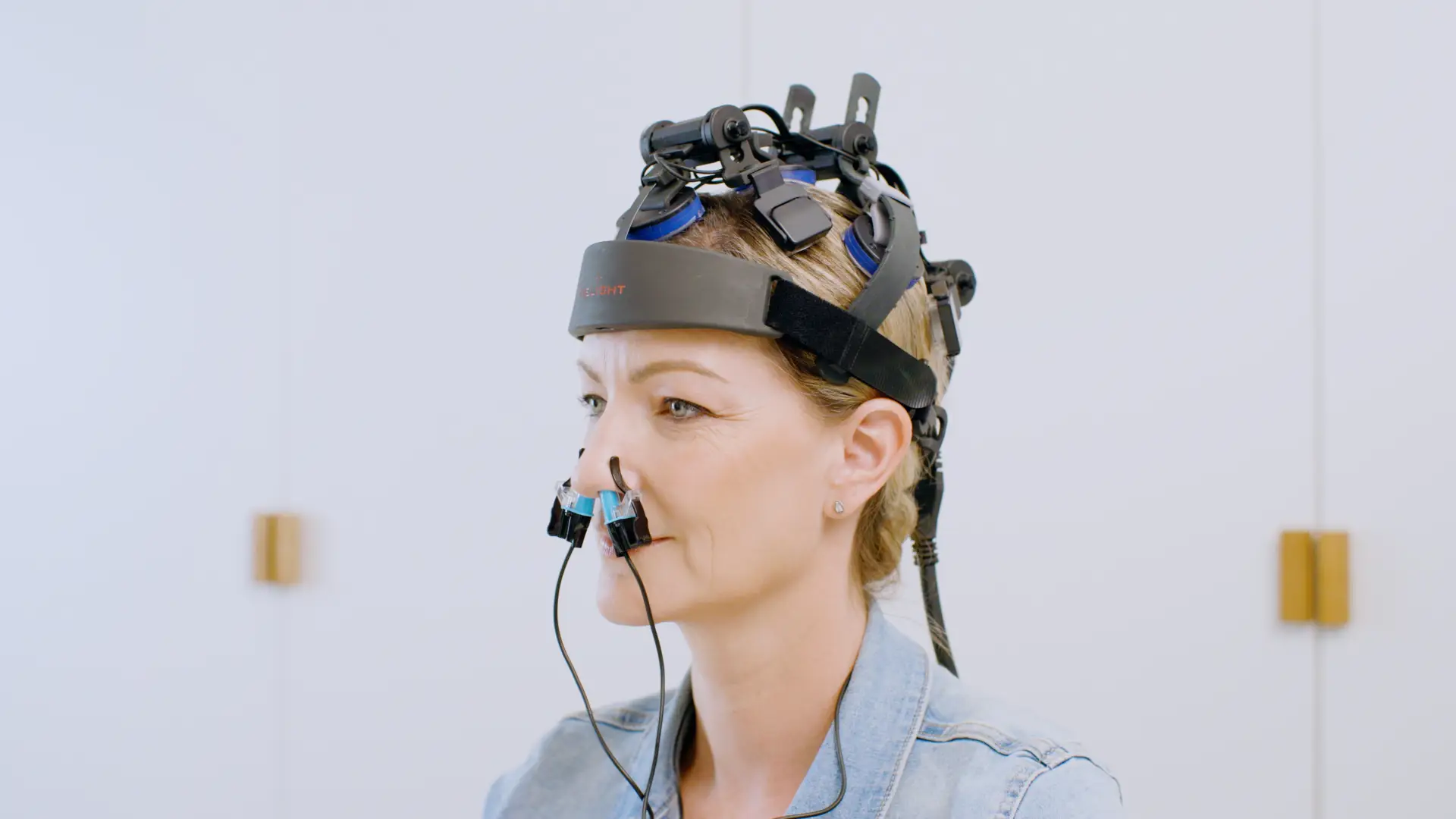
What is Neurotech? Discover Photobiomodulation’s Role in Brain Function
Neurotech, or neurotechnology, encompasses tools and innovations that interact with or enhance brain function. These advancements are transforming healthcare by offering solutions for neurological disorders like depression, Alzheimer’s, and anxiety.
In addition to healthcare, Neurotech drives cognitive enhancement, improving memory, focus, and mental clarity. It’s also gaining popularity in wellness for promoting stress reduction and emotional balance.
This article explores the fascinating world of Neurotech, focusing on photobiomodulation, its role in Brain wellness, and how Vielight is leading the way with innovative, non-invasive solutions.
Types of Neurotech
Neurotech encompasses a diverse range of technologies, each designed to interact with the brain in unique ways. These innovations are revolutionizing how we understand and enhance brain function. Here are the main types:
- Brain-Computer Interfaces (BCI): These systems establish a direct connection between the brain and external devices, allowing users to control computers or prosthetics using brain signals. BCIs hold immense potential for individuals with disabilities, offering new ways to restore mobility and communication.
- Neurostimulation Devices: These devices use electrical or magnetic stimulation to modulate neural activity, helping to treat conditions like chronic pain, depression, and epilepsy. By influencing brain circuits, neurostimulation enhances brain function and restores balance.
- Photobiomodulation (PBM): A non-invasive approach that uses specific wavelengths of light to stimulate cellular processes in the brain. PBM improves cognitive function, supports mental clarity, and promotes overall Brain wellness, making it a standout innovation in Neurotech.
Each type plays a fundamental role in advancing Brain wellness and wellness, offering hope and solutions for diverse needs.
Applications of Neurotech
Neurotech offers groundbreaking applications across various fields, improving lives through innovative solutions. Here are three key areas where its impact is most notable:
Healthcare
Neurotech is transforming healthcare by offering innovative solutions for neurological conditions like depression, anxiety, and Alzheimer’s. These technologies help restore brain function by targeting and modulating specific neural pathways, improving patients’ quality of life and delivering non-invasive alternatives to traditional treatments.
Cognitive Enhancement
With Neurotech, individuals can enhance their cognitive abilities, including memory, focus, and mental clarity. These advancements empower users to achieve peak mental performance, whether in professional environments or daily tasks, making them invaluable for those seeking to optimize brain function.
Wellness
In the wellness space, Neurotech promotes mental calmness and reduces stress by stimulating the brain’s natural relaxation responses. This makes it a powerful tool for achieving emotional balance, enhancing overall well-being, and supporting a healthier, more focused mindset.
Delve deeper into the scientific evidence supporting these exciting applications by exploring our dedicated section on published research with Vielight technology.
Photobiomodulation (PBM) and Neurotech
Photobiomodulation (PBM) is a specialized subfield of Neurotech that uses specific wavelengths of light to stimulate cellular processes in the brain. By enhancing cellular energy production, PBM promotes better brain function and supports neural repair.
This non-invasive approach targets key brain regions through light penetration, improving cognitive abilities, mental clarity, and overall Brain wellness. PBM’s ability to stimulate neural activity makes it a valuable tool for addressing various neurological and cognitive challenges.
Vielight has pioneered the development of home-use PBM devices, combining advanced technology with accessibility. Their innovative products, backed by extensive research, offer an effective and convenient way to harness the benefits of PBM for Brain wellness and wellness.
Non-Invasive Neurotech for the Future
The demand for non-invasive Neurotech is rapidly growing as people seek safer, more accessible solutions for improving Brain wellness. Devices like Vielight’s Neuro series exemplify this trend, offering effective technology without the need for surgical procedures or complex treatments.
Accessible, medical-grade technology is essential for addressing cognitive challenges and enhancing mental performance. Non-invasive devices provide a practical and user-friendly way to improve focus, memory, and overall brain function, empowering users to take charge of their mental well-being.
Vielight’s innovative approach combines scientific rigor with convenience, making advanced brain photobiomodulation available to a wider audience. This shift toward non-invasive solutions is shaping the future of Neurotech, bringing transformative Brain wellness technologies into everyday life.
Explore the Future of Brain wellness with Vielight
Neurotech is revolutionizing the way we approach Brain wellness, offering innovative tools to enhance cognitive function, mental clarity, and overall well-being. As a leading pioneer in the field, Vielight’s photobiomodulation technology exemplifies the potential of non-invasive solutions to improve brain function.
If you’re ready to experience the benefits of Neurotech, Vielight’s PBM devices are an excellent place to start. Backed by scientific research and designed for home use, these products empower you to take control of your mental wellness and cognitive performance.
Explore Vielight’s groundbreaking solutions today and discover how they can help you unlock your brain’s full potential.


